

Remote Pilot CertificationUnmanned aerial systems, also commonly known as drones, are very popular for professional and recreational use. As more individuals interact with drones, the Federal Aviation Administration (FAA) has developed regulations on how a drone can be operated. It is important for all drone users to know and understand all FAA regulations before operating their next flight mission.
Recreational Use Congress passed the Exception for Limited Recreational Operations of Unmanned Aircraft that allows drones to be operated for recreational purposes. As of July 2025, there are 1.1 million users that fly recreationally, and 378,000 drones are registered with the FAA. Below are some regulations that all recreational users must follow:
In addition to following FAA regulations, all recreational users must pass the required TRUST safety test from an authorized FAA approved test administrator. Further, all recreational users must show to the FAA or local law enforcement officers that they have successfully completed this training at any time. For additional information on flying for recreational use, visit the FAA website to view the current regulations and list of test administrators.
Professional Use For users that are flying for professional use, they will be following all FAA requirements under section 107. As of July, 2025, the current number of drone pilots that fly professionally is approximately 460,000. To fly legally and safely, all new drone pilots must pass the Unmanned Aircraft General - Small (UAG) Knowledge Test. The test covers five (5) topics that every drone pilot should understand. On September 29, 2025, the FAA revised the content and percentage of items on what is being covered. Below is the current breakdown:
Before registering for the test, a user profile must be created in IACRA. The cost of the exam is $175 and must be taken at an authorized FAA testing center. Applicants are allotted two (2) hours to complete 60 questions and must achieve a minimum score of 70%. If an applicant fails the exam, there is a waiting period of 14 days, and they must repay the full exam fee. For additional information on the exam, visit the PSI UAG informational bulletin. The FAA has a list of study guides and a test supplement for test takers. Click on any of the links below to access these resources. Please note that these weblinks are subject to change at the discretion of the FAA.
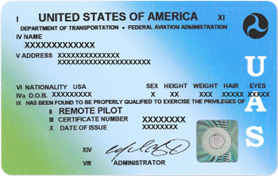
In addition to the study guide links, applicants are encouraged to utilize open-source information (i.e. Google, YouTube, Reddit, etc.) to find additional information on topics that might be covered on the exam. There are also certified testing prep companies that users can pay courses to assist with their studies. Some of the most popular firms are Pilot Institute, Drone Pilot Ground School, and Drone Launch Academy. Also, several community colleges including Harper College, Parkland College, Oakton College, and Sauk Valley offer formal training certificates for anyone that is interested in using drones for professional use. Further, the Illinois Aviation Academy provides training courses on how to use drones from professional pilots and preparing candidates to pass the FAA 107 exam. After passing the exam, applicants will need to fill out form FAA Form 8710-13 to apply for the remote pilot certificate using their existing profile in IACRA. Once the applicant submits the online application and passes a TSA security background check, the FAA will issue a PDF temporary certificate that is valid for 120 days. It can take approximately 6-8 weeks for the FAA to formally process the online application and mail the official remote pilot certificate card. For existing remote pilot certificate holders, the FAA requires a two (2) year refresher online training course at no cost based on the issue date. This is to inform users of any regulatory changes, and an emphasis on safety topics that is useful for all flying conditions and environments. All remote pilots must present their renewal training certificate to any FAA or local enforcement officer at any time. |